

The architect of American industrial precision
Discover the visionary H. William Oetjen, whose journey from military aerospace to industrial leadership reshaped American manufacturing. Explore his legacy and the profound impact he had on the Proto Tool community.
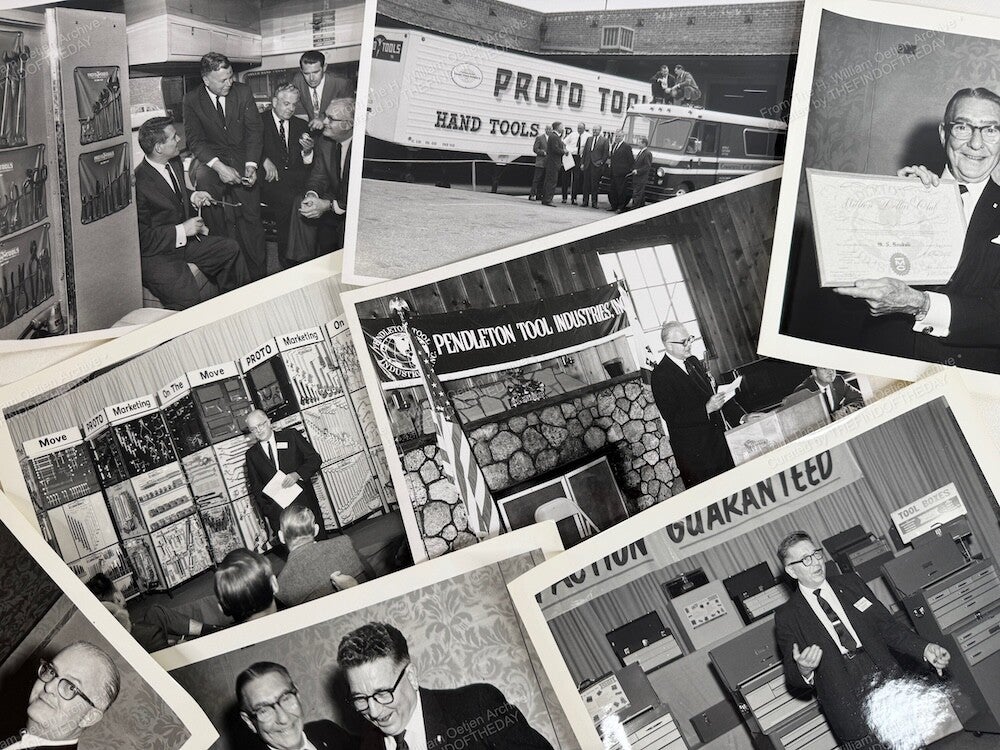
H. William Oetjen: The jet-age architect
A visionary engineer, Oetjen bridged WWII aerospace precision with global industrial leadership. After managing secret projects at Fairchild Engine & Airplane Corp, he joined Proto Tools in 1952 as vice president of marketing. He pioneered the "Glitter Strategy," using the Indy 500 to prove his tools were "flight-ready" instruments. Oetjen’s legacy transformed American hardware into symbols of Space Age dominance, a journey documented here through hundreds of rare archival photos and artifacts.
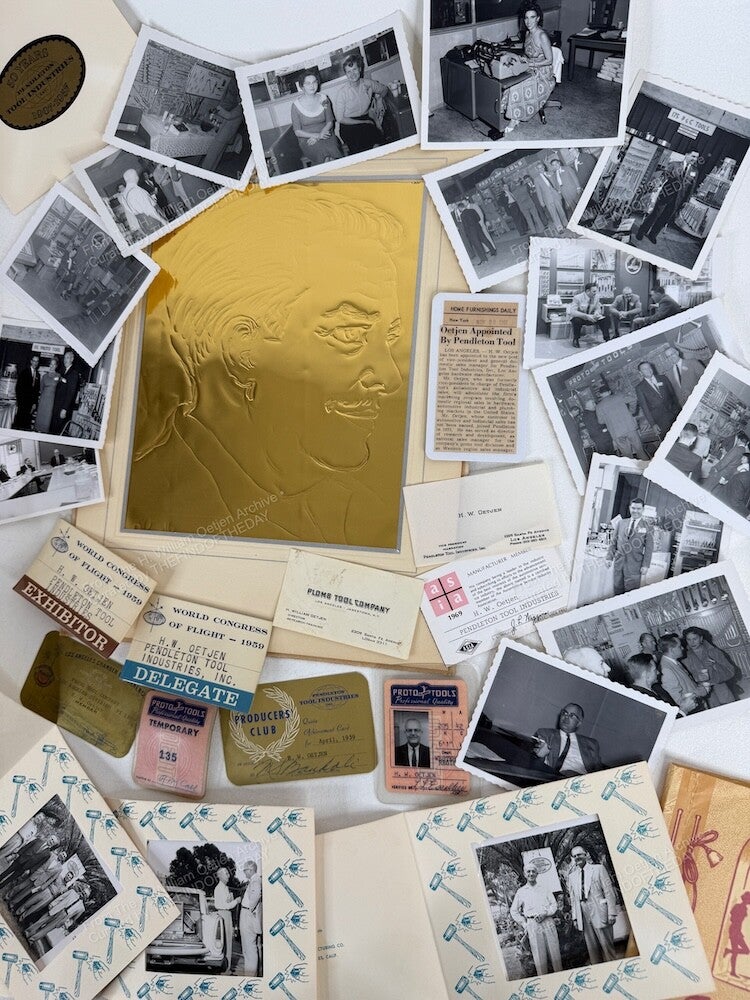
Revolutionizing Proto Tools: The Glitter Strategy
Oetjen’s "Glitter Strategy" transformed basic hand tools into premium status symbols. By placing Proto Tools in the high-stakes environment of the Indy 500, he proved their durability under extreme racing conditions. This wasn't just advertising; it was a psychological shift that made professional mechanics feel like part of the Space Age elite. He proved that a tool's finish and presentation were just as vital as its technical specs, forever changing how industrial brands connect with their customers.
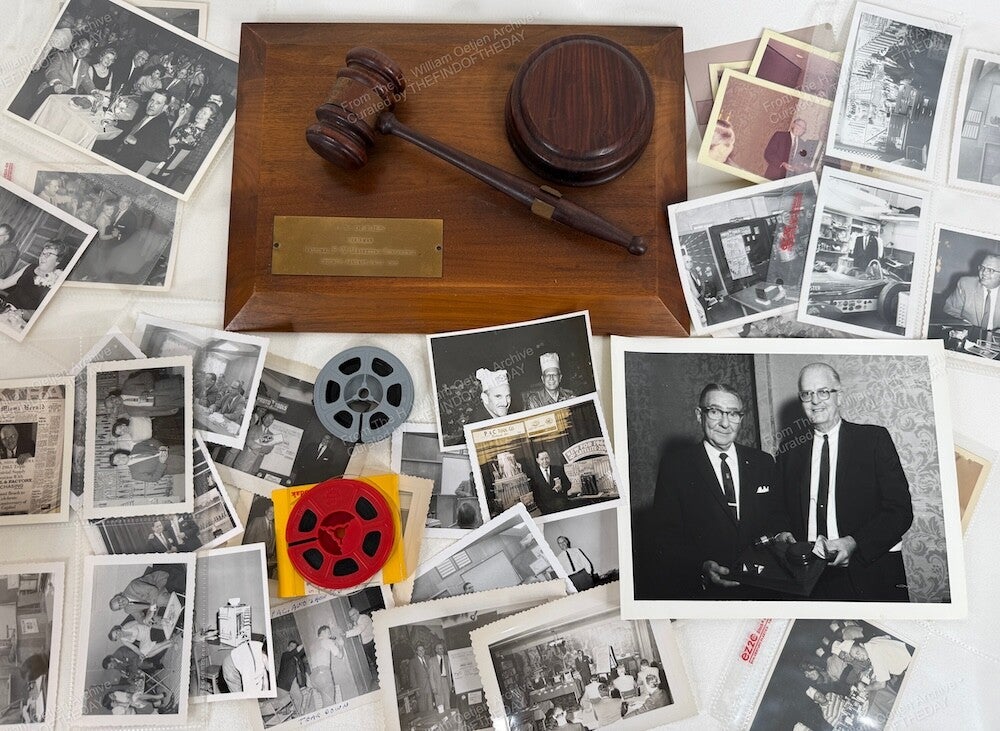
Understanding machine logic: The Engineering Behind the tool
Oetjen believed that a tool was an extension of the machine itself. By applying the "Machine Logic" he mastered in the aerospace industry, he ensured that Proto Tools were designed with the same mathematical rigor as jet engines.
To Oetjen, these weren't just handheld objects; they were high-precision instruments. He bridged the gap between complex engineering and the mechanic's workbench, proving that professional-grade tools were the essential foundation for American industrial dominance.